
PRESEC Old Boys Invest GHS 1.8 Million in Student Housing Upgrade
By Raymond Awiagah
How Alumni of Akro House at PRESEC Transformed a Neglected Dormitory into a Modern Student Facility
In many institutions, legacy is often spoken about in words.
At Presbyterian Senior High School (PRESEC), former students of Akro House chose to express theirs through action.
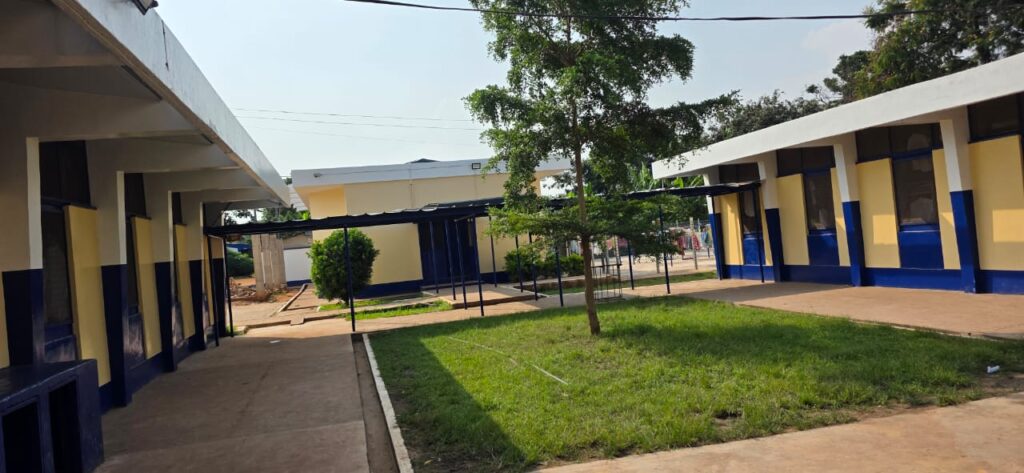
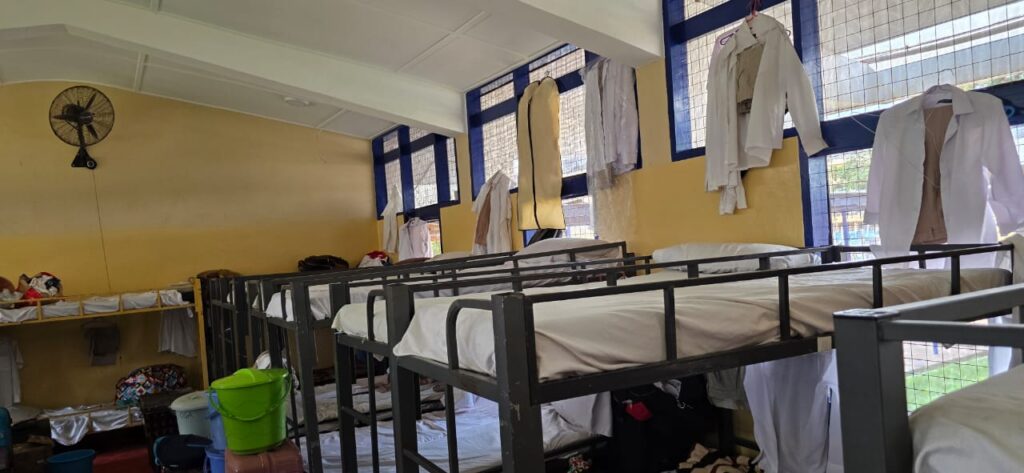
What was once a deteriorating student residence has now been transformed into a modern and dignified living facility. This is after a major renovation project funded by old boys of the house at a cost of approximately GHS 1.8 million.
The redevelopment of Akro House project.
It is a story about identity, responsibility, and the power of alumni-driven development within Ghana’s educational system.
A House Once in Decline
For years, Akro House, one of the fourteen houses at PRESEC faced significant infrastructural challenges.
Concerns surrounding sanitation, deteriorating facilities, and the general living environment had increasingly become a source of worry for both students and stakeholders.
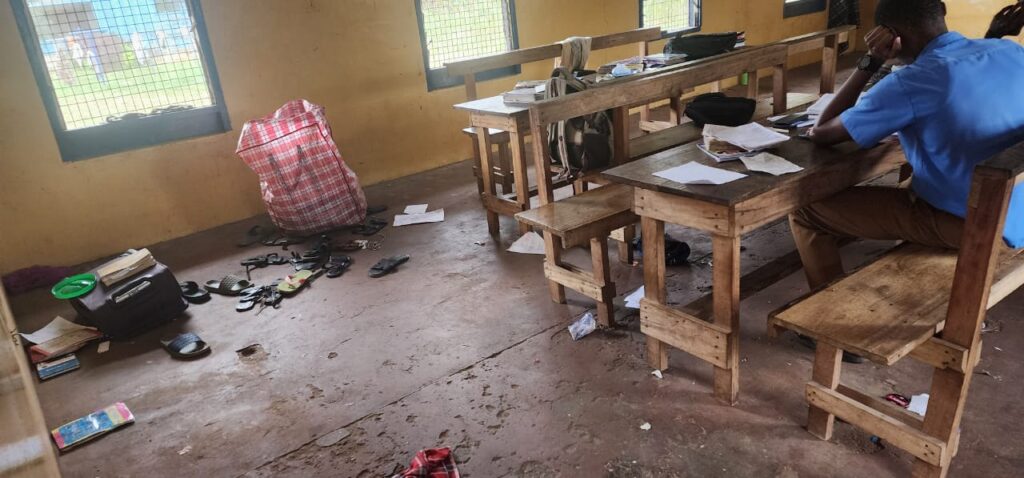
Many believed the condition of the house no longer reflected the standards associated with one of Ghana’s most prestigious secondary schools.
Despite ongoing concerns over time, little progress had been made.
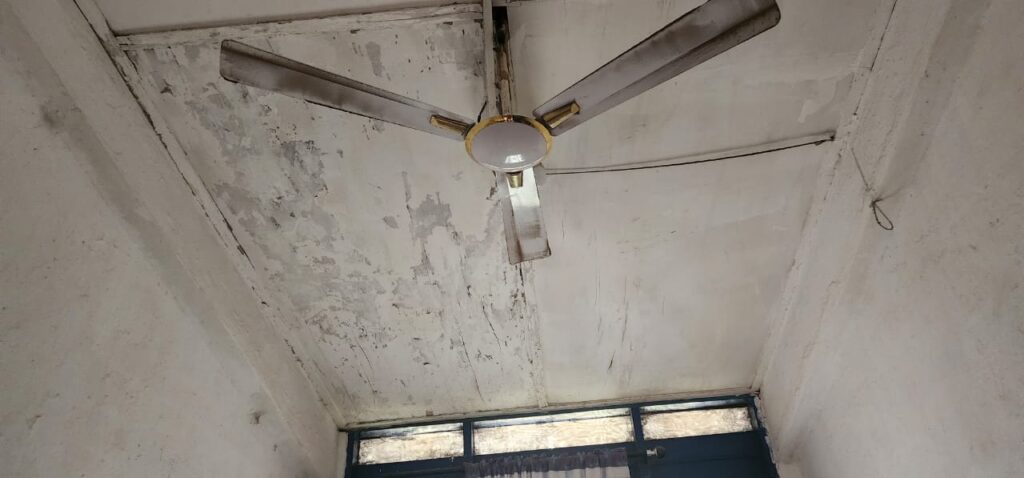
Until former students of the house decided to intervene directly.
Alumni Mobilize to Restore Dignity
Driven by a shared sense of belonging and responsibility, old boys of Akro House across different year groups came together to fund and execute a complete renovation of the facility.
The initiative was started by Sam Addo of the 1976 year group and led by Kwame Asamoah of the 1984 year group.
Their leadership helped unite alumni from multiple generations around a common vision:
to restore dignity and improve the living conditions of students currently occupying the house.
The result is one of the most significant alumni-led housing redevelopment projects seen within a Ghanaian secondary school in recent years.
Scope of the Renovation
The transformation of Akro House included several major infrastructural upgrades designed to improve sanitation, comfort, safety, and functionality.
Key additions and renovations include:
- Construction of a new 28-seater toilet facility
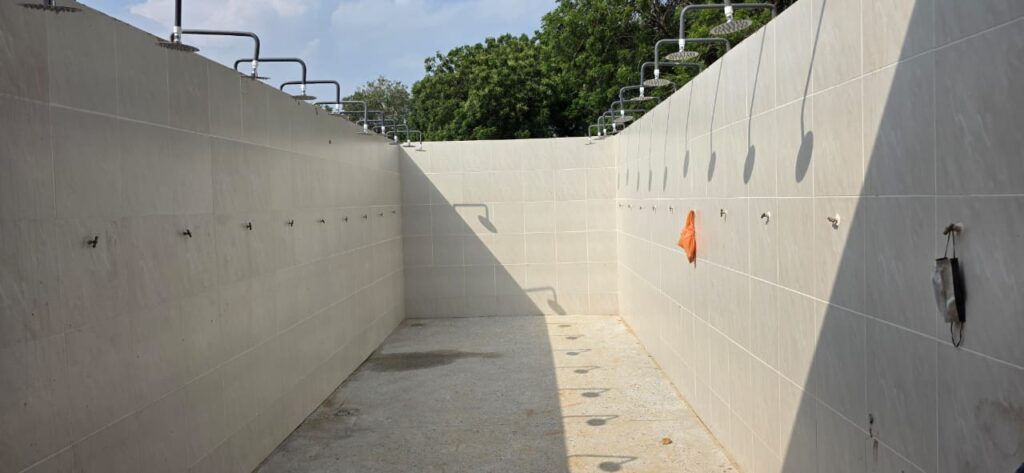
- Development of a modern multi-unit shower area
- Installation of a Paradise Summer Hut Pavilion
- Repurposing of box rooms into:
- a convenience store
- a new housemaster’s office
- Paving and fencing of the drying line area
A Statement of Identity
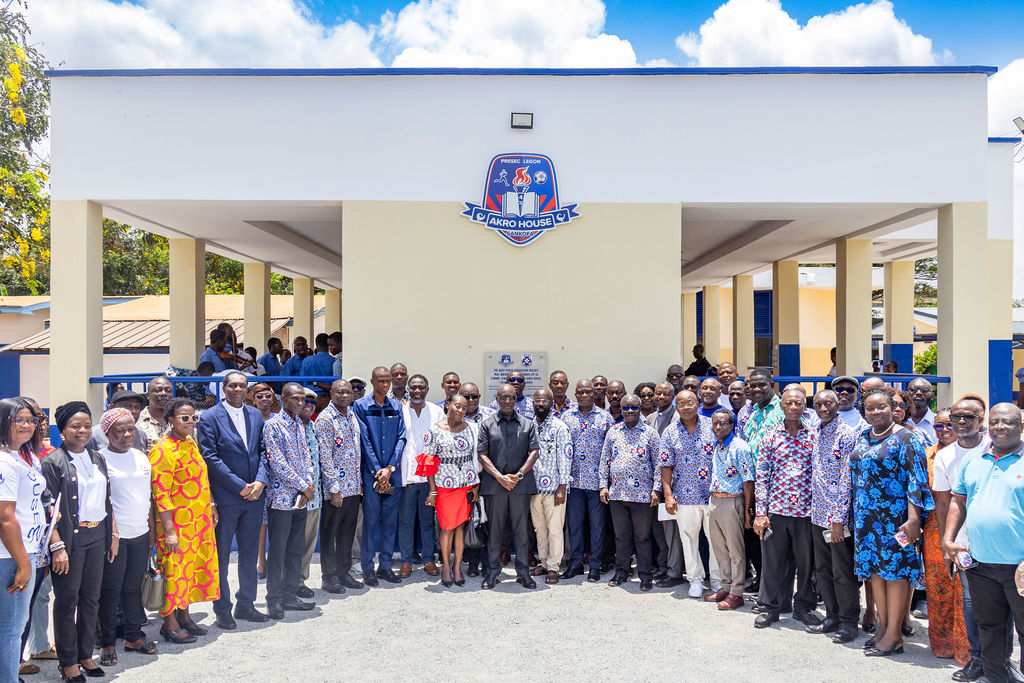
At the official commissioning and handover ceremony, school authorities and stakeholders commended the alumni for what many described as a timely and transformative intervention.
The Headmaster of PRESEC David Odjidja emphasized that academic excellence and discipline must be supported by a conducive environment that allows students to thrive.
Our mandate is to make sure that we don’t compromise anything. PRESEC remain Ghana’s best performing high school and that is what we are known for, and that is what we are determined to keep.
Project originator Sam Addo described the redevelopment as a pacesetting initiative that reflects the culture of excellence associated with PRESEC.
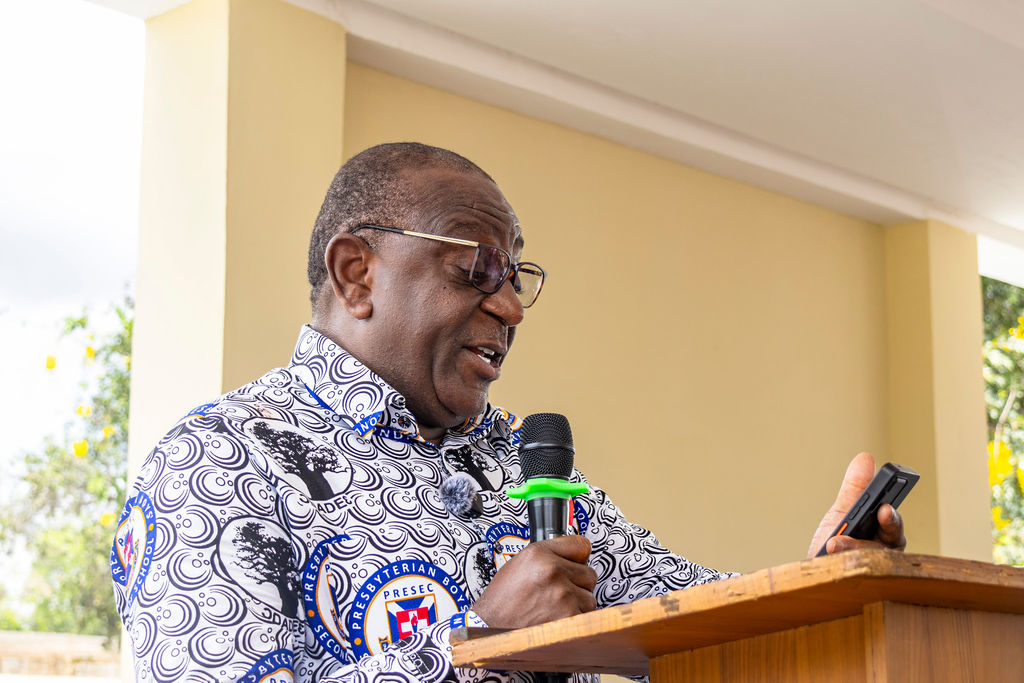
Fellow odadee’s, this is more than a renovation. It is a pace-setting example and I urge odadee’s of other houses to emulate Akro House spirit and transform their own houses. Let this be a dawn of a new era where every corner of PRESEC reflects the excellence we proclaim.
Redefining Alumni Responsibility in Ghana
Across many African institutions, conversations about educational development often focus solely on government support.
But projects like Akro House present a different narrative.
They show how alumni networks can become powerful drivers of institutional growth, infrastructure renewal, and long-term educational impact.
By investing directly into the student experience, the old boys of Akro House have demonstrated that legacy is not only preserved through memory but through meaningful contribution.
A New Chapter for Akro House
Today, Akro House stands transformed.
What was once viewed as an aging and neglected dormitory has become a renewed symbol of pride, comfort, and collective responsibility.
For current students, the redevelopment provides improved living conditions and a stronger sense of belonging.
And for the alumni who once lived within its walls, it represents something even deeper:
the preservation of identity through action.
Because ultimately, institutions become strong not only because of history, but because people continue to invest in what they believe they represent.