
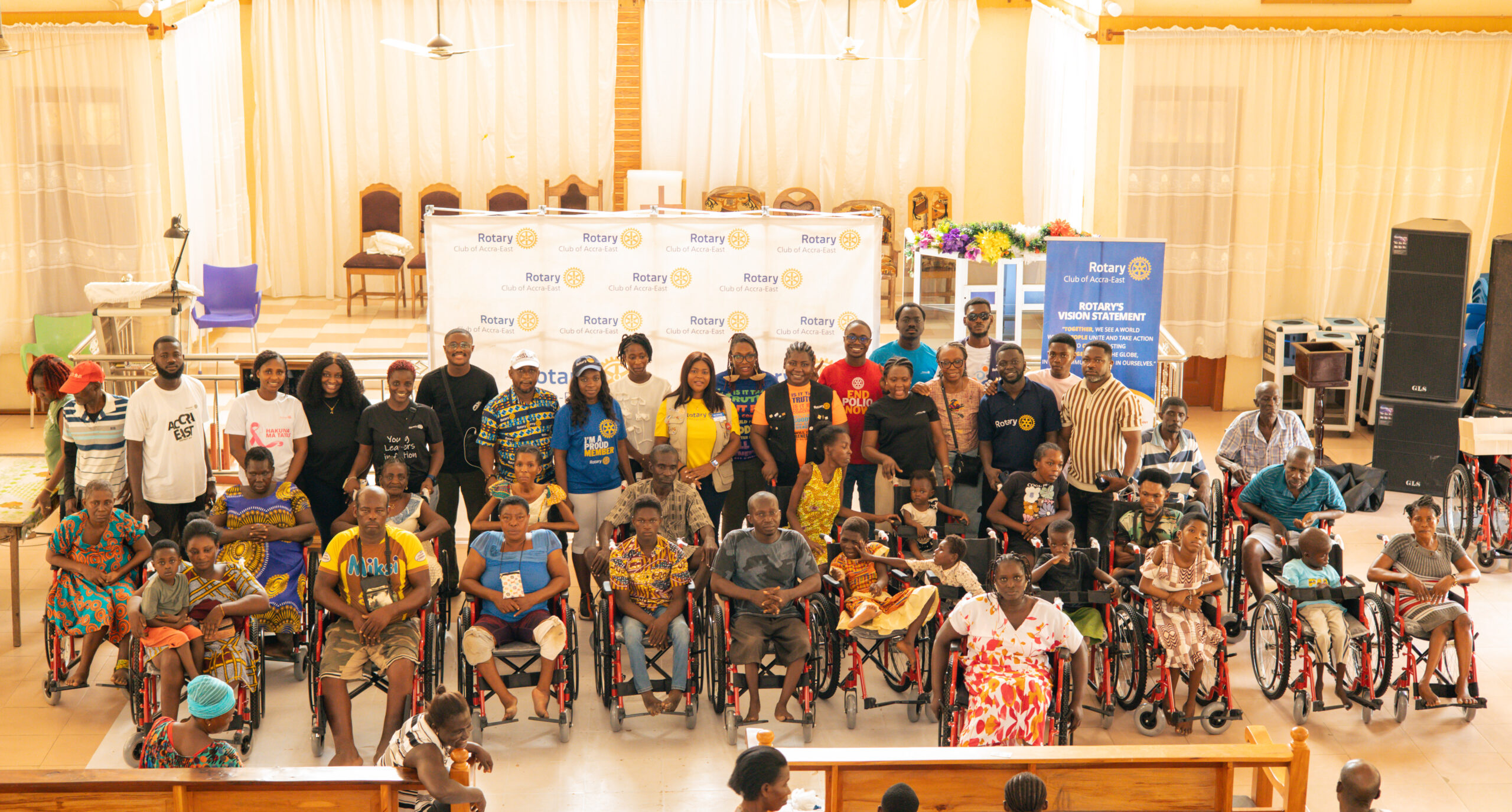
Freedom to Mobility: How Rotary Is Restoring Dignity and Movement in Ghana
By Raymond Awiagah
For many people, movement is automatic.
For others, especially persons living with disabilities in parts of Ghana, movement is negotiated daily, through dependency, limitation, and often invisibility.
In that gap between mobility and immobility lies something deeper than physical access.
It is dignity.
And across several regions of Ghana, a quiet intervention is beginning to restore it.
A Life Changed in a Single Moment
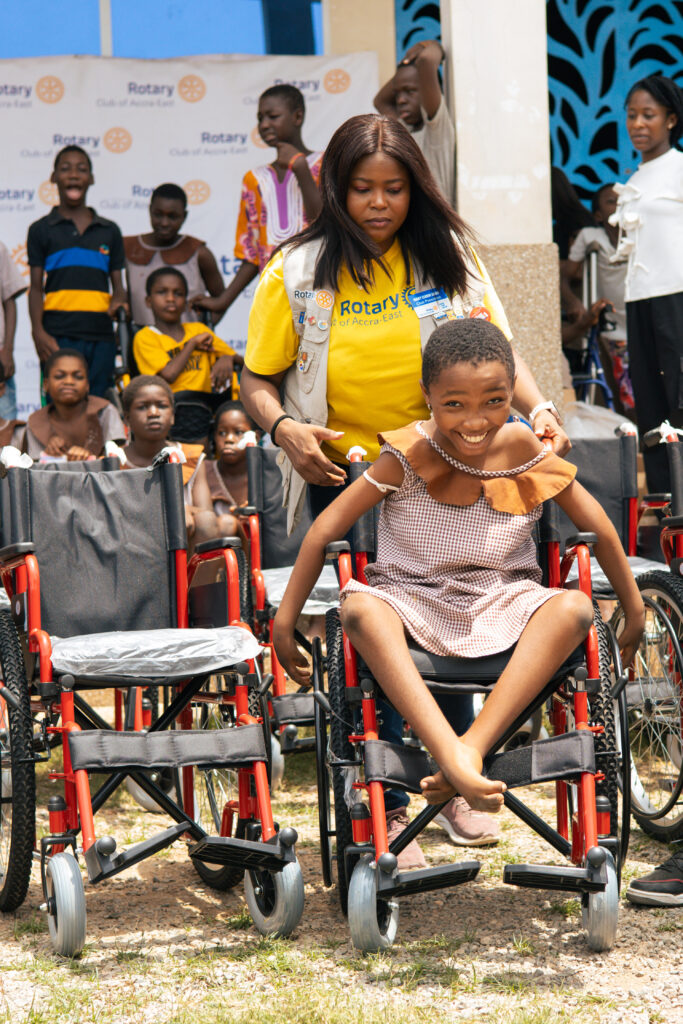
At Winneba in the Central Region og Ghana, 12-year-old Ama had spent most of her childhood being carried by her mother.
She had never experienced independent movement.
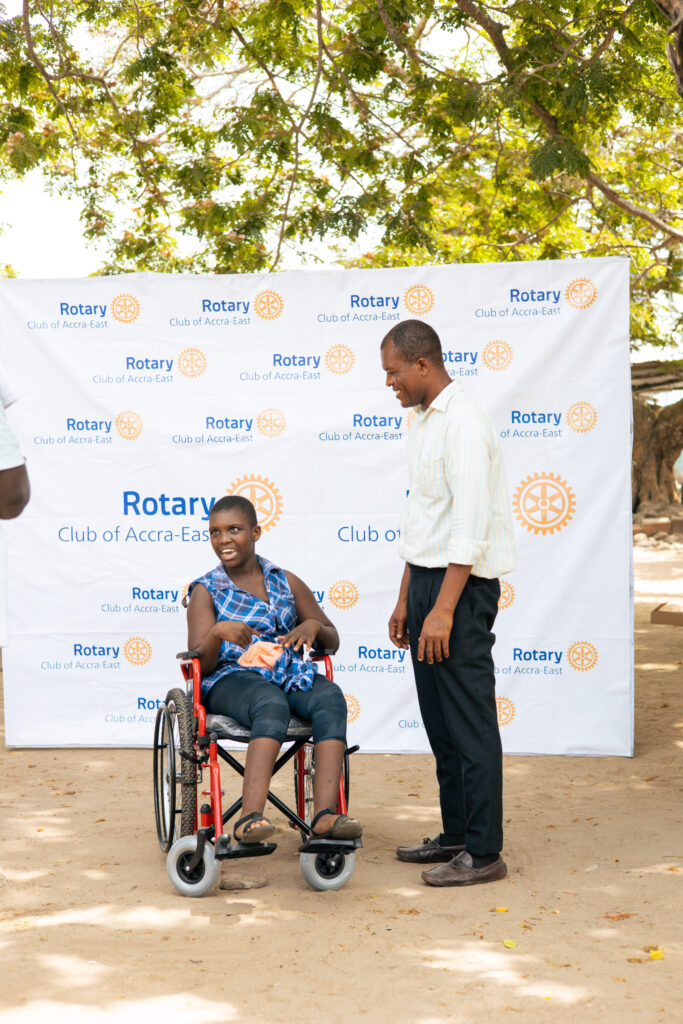
On the day she received a wheelchair through the Freedom to Mobility initiative, she did not speak immediately.
She simply placed her hands on the wheels and moved forward slowly at first, then with growing confidence.
For her mother, it was the first time in years she could stand still while her daughter moved freely.
That moment captured something the project repeatedly reveals:
Mobility is not just physical, it is emotional restoration.
A Structured Intervention Across Ghana
The Freedom to Mobility Project is reaching communities across the Central, Eastern, Greater Accra, Volta, and Northern regions of Ghana.
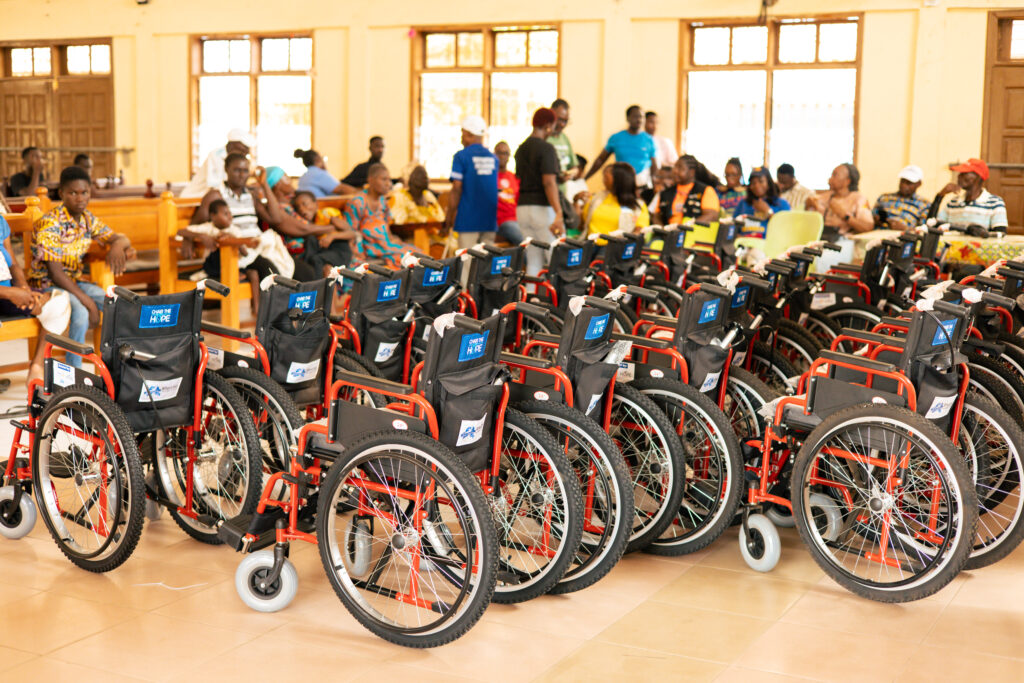
Led by the Rotary Club of Accra East in collaboration with the Wheelchair Foundation and Chair the Hope, the initiative focuses on restoring mobility to persons living with physical disabilities.
But its impact goes beyond distribution.
It is about access to education, inclusion in social life, and the restoration of independence.
Mobility as Dignity, Not Charity
On the ground, the meaning of a wheelchair is often misunderstood from afar.
It is seen as an assistive device.
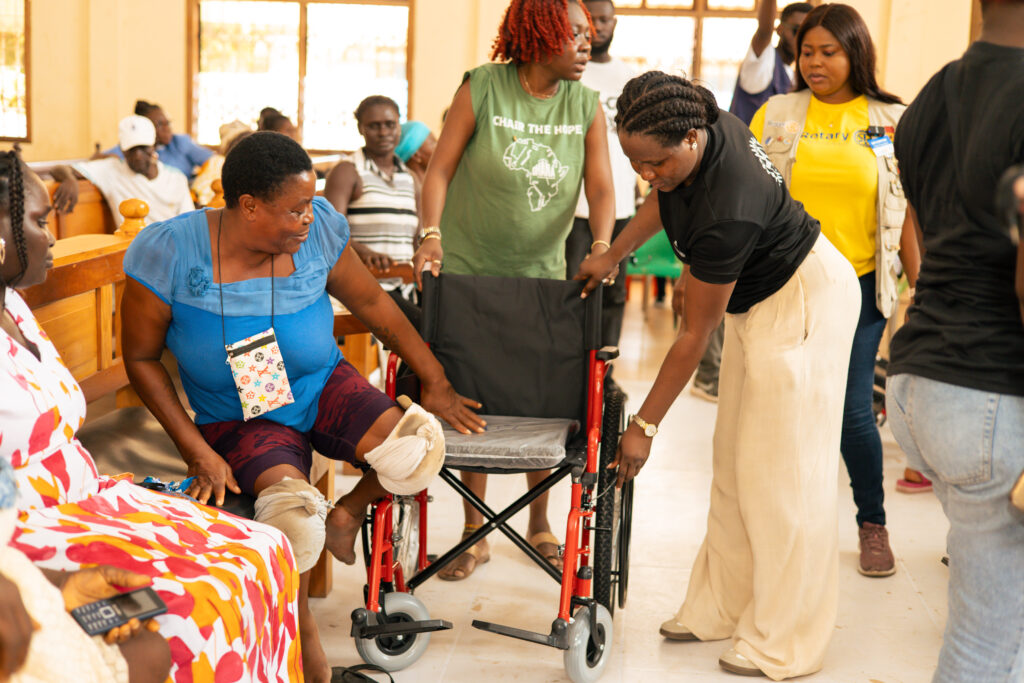
But for beneficiaries, it represents something far more fundamental:
- independence
- access
- inclusion
- participation in community life
The initiative is built on a clear philosophy: mobility is not charity but it is dignity restored through structured support.
Inside the Freedom To Mobility
The Freedom to Mobility Project is designed as a coordinated humanitarian system.
Its approach includes:
- identification of beneficiaries across regions
- structured distribution of mobility aids
- collaboration with international partners
- community-level engagement and support
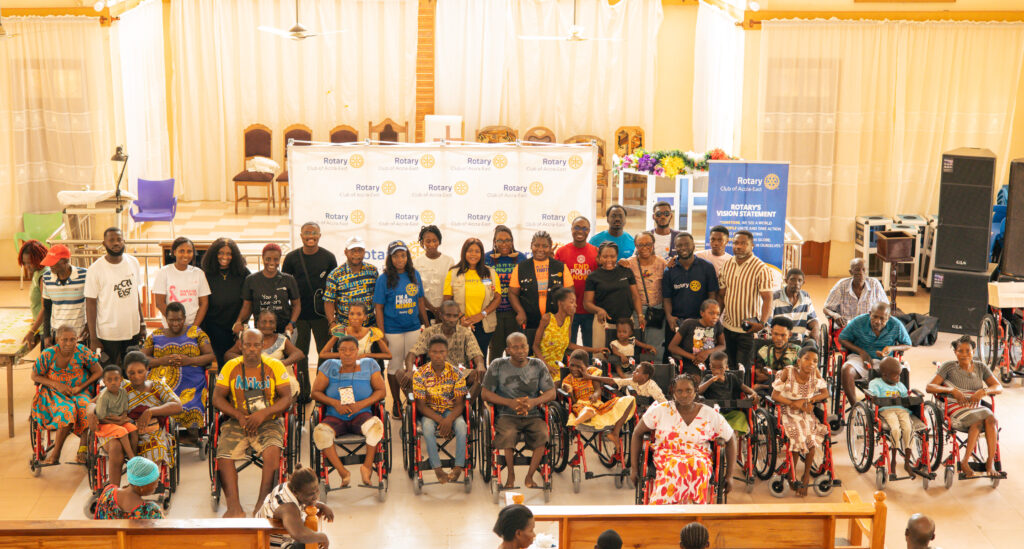
According to president of the Rotary Club of Accra East, Rotarian Mary Addo, the initiative is not a one-time intervention, but a sustained commitment to long-term impact.
Over time, hundreds of wheelchairs have been distributed, reaching more than 260 beneficiaries across selected communities.
The Emotional Weight of Movement
In many distribution moments, what stands out is not logistics but emotion.
Children who have never moved independently suddenly discover freedom.
Parents who have carried their children for years experience relief.
Communities witness small but profound transformations in everyday life.
These moments reveal a deeper truth:
Disability is not only physical but it is also social.
And inclusion begins when mobility barriers are removed.
A Service Model Built on Purpose
The Rotary Club of Accra East represents a structured model of service that goes beyond charity.
Rather than isolated acts of giving, the project reflects:
- consistency
- partnership-driven implementation
- regional inclusion
- long-term sustainability
Why Inclusion Matters
Disability inclusion remains one of the most underreported development challenges across Africa.
Yet it affects education, employment, healthcare, and social participation.
Projects like Freedom to Mobility bring this issue into focus by addressing a simple but powerful reality:
A society cannot be fully inclusive if some of its members cannot move freely within it.
Conclusion
The Freedom to Mobility Project is not simply about wheelchairs.
It is about what those wheelchairs make possible.
In restoring movement, it restores participation.
In restoring access, it restores dignity.
And in restoring dignity, it reshapes how individuals are seen and how they see themselves.
Because in the end, mobility is not just about getting from one place to another.
It is about being able to live fully within society.