
How First Altantic Bank Is Changing the Way Ghanaians Use Banks
By Raymond Awiagah
How First Altantic Bank Is Changing Digital Banking in Ghana
Banking in Ghana has changed significantly over the past decade.
What once depended heavily on long queues, paper forms, and physical branch visits is increasingly shifting toward mobile phones, digital platforms, and app-based transactions.
Today, many customers expect banking services to be:
- faster
- more accessible
- mobile-friendly
- available beyond traditional banking hours
This shift is reshaping how people interact with financial institutions across the country.

Among the banks operating within this digital transformation space is First Atlantic Bank Ghana, which has expanded its focus on digital banking platforms, mobile banking services, and electronic payment systems.
The Rise of Digital Banking in Ghana
Digital banking has become one of the most important developments within Ghana’s financial sector.
Several factors have contributed to this growth:
- increased smartphone usage
- internet accessibility
- mobile money adoption
- changing consumer behaviour
- demand for convenience
Many customers now prefer completing transactions directly from their phones rather than visiting physical branches.
This behavioural shift is especially visible among:
- young professionals
- entrepreneurs
- students
- salaried workers
- small business owners
How Banking Habits Are Changing
Traditional banking habits in Ghana were once built around:

- physical cash transactions
- branch visits
- manual paperwork
- over-the-counter services
Today, digital platforms are changing those routines.
Customers increasingly use:
- mobile banking apps
- USSD banking
- online banking portals
- digital transfers
- electronic payment systems
This allows people to:
- transfer funds
- check balances
- pay bills
- manage accounts
- complete transactions remotely
without depending entirely on physical banking spaces.
The Growing Importance of Mobile Banking
Mobile banking has become central to modern banking behaviour in Ghana.
For many users, banking now happens primarily through smartphones.
This reflects a larger transition toward:
convenience-driven financial services.
Digital banking platforms now compete heavily on:
- speed
- user experience
- accessibility
- transaction convenience
Banks investing in digital infrastructure are therefore increasingly positioned as modern financial service providers rather than traditional institutions alone.
Why Customers Now Expect Faster Banking Services
Consumer expectations have changed significantly across industries, including banking.
People now expect:
- instant access
- quick transfers
- reduced waiting time
- simplified transactions
This has increased pressure on financial institutions to modernize their systems and improve customer convenience.

As a result, digital banking is no longer viewed as an optional service.
It is becoming a core part of how modern banking operates.
The Shift Toward Cashless Transactions
Ghana’s financial ecosystem is also experiencing increased interest in:
- digital payments
- cashless transactions
- electronic merchant systems
- online financial services
This trend is influencing:
- retail businesses
- restaurants
- transportation services
- e-commerce platforms
- SMEs
As more businesses adopt digital payment systems, banks are also expanding their financial technology infrastructure.
The Role of Banks in Ghana’s Digital Finance Growth
Banks now play a broader role within Ghana’s evolving digital economy.
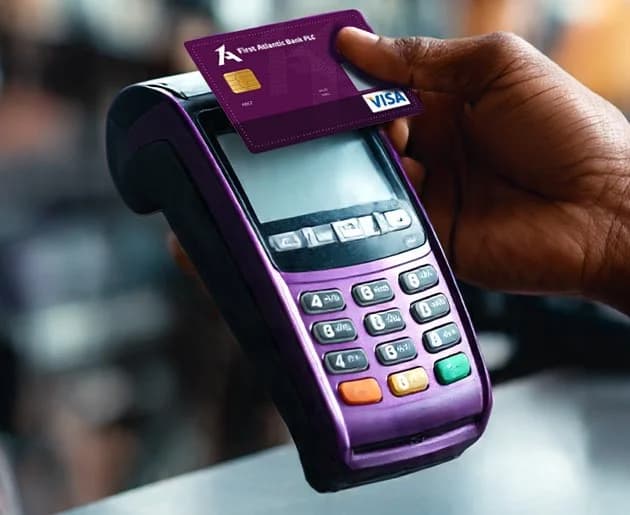
Beyond savings and loans, financial institutions are increasingly connected to:
- digital commerce
- online transactions
- mobile payments
- financial accessibility
This positions digital banking as part of Ghana’s wider technological and economic transformation.
Conclusion
Digital banking is changing how many Ghanaians experience financial services.
From mobile transactions to online account management, banking is becoming increasingly centered around speed, accessibility, and convenience.
As consumer expectations continue evolving, financial institutions investing in digital systems are helping shape the future of banking in Ghana.