
How Vantage EV Is Building the Infrastructure for Ghana’s Electric Future
By Raymond Awiagah
The future of mobility is often discussed in terms of vehicles.
Faster vehicles. Smarter vehicles. Cleaner vehicles.
But the companies shaping the future understand that transportation is about far more than what sits on four wheels.
It is about the systems, infrastructure, and customer experience that make movement possible.
In Ghana, where conversations around electric mobility are becoming increasingly relevant, one company is taking a broader view of what the future could look like.
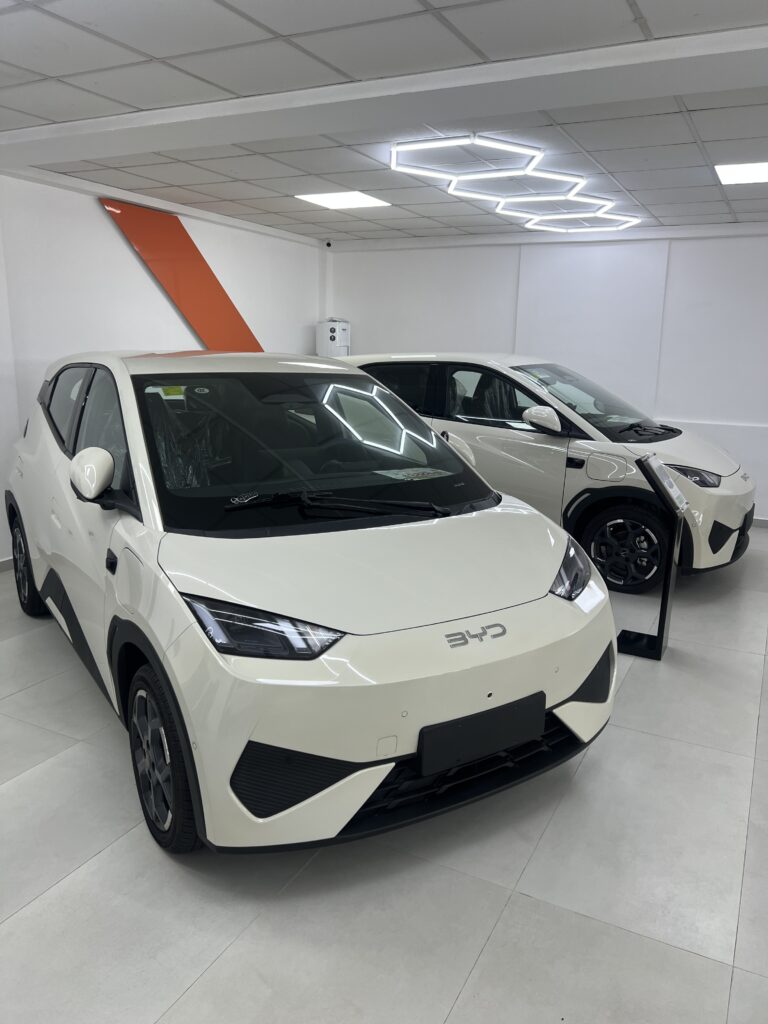
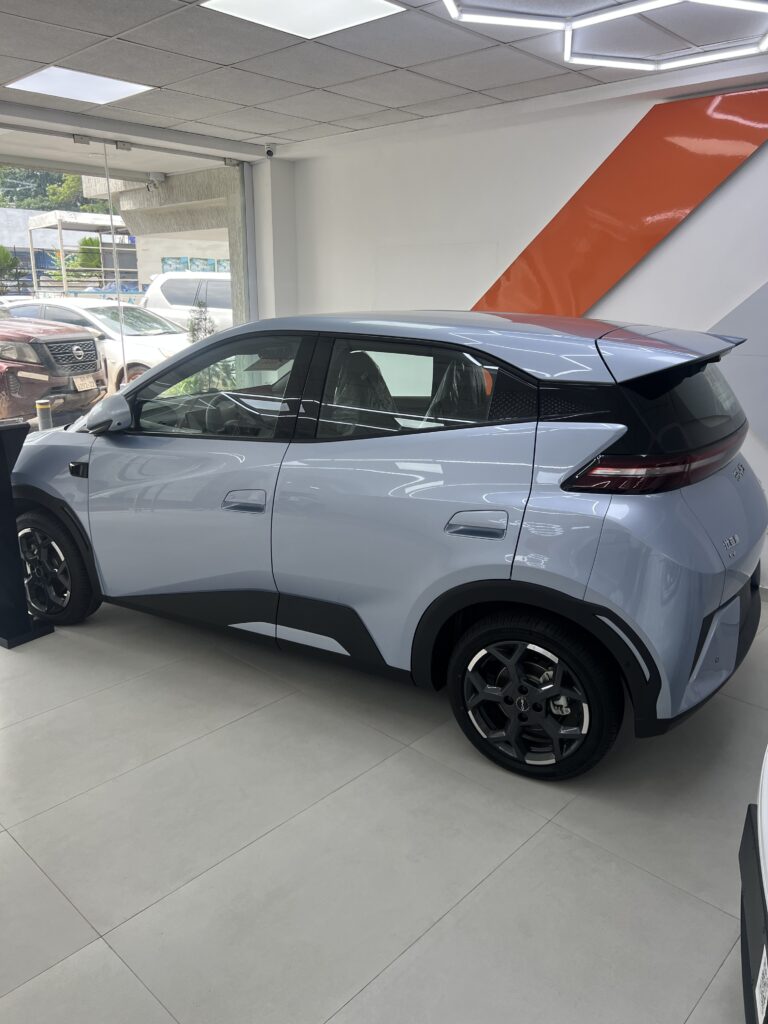
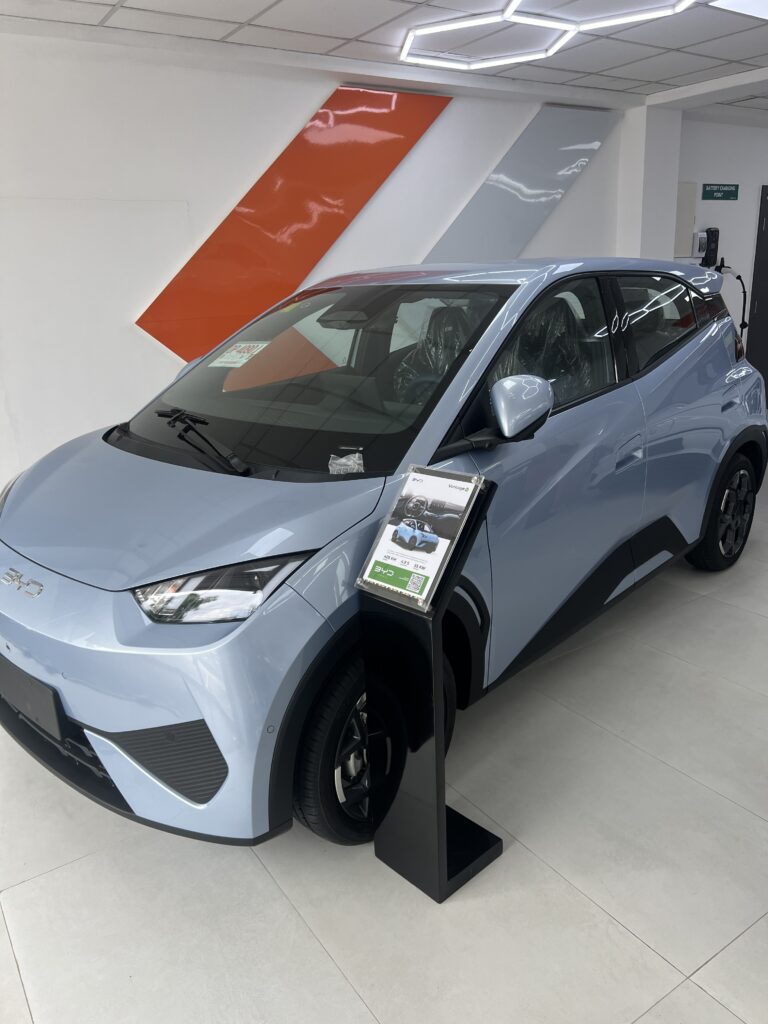
Vantage EV while introducing electric vehicles to the market. It is also helping build the ecosystem that makes electric mobility practical, accessible, and sustainable for Ghanaian consumers and businesses.
And in doing so, it is contributing to a larger conversation about how the country will move in the decades ahead.
A Shift Bigger Than Cars
For generations, transportation in Ghana has been built around fuel.
From private vehicles and ride-hailing services to commercial fleets and corporate transportation, petrol and diesel have remained the dominant sources of power.
Yet changing economic realities, rising environmental awareness, and advances in technology are creating new opportunities for innovation.
Around the world, electric vehicles are rapidly moving from the margins to the mainstream.
The question is no longer whether electric mobility will become part of the transportation landscape.
The question is how that transition will happen and who will help make it possible.
Vantage EV believes the answer lies in creating solutions that work for real people in real-world conditions.
With more than a decade of experience in Ghana’s mobility sector, the company has developed an understanding of the challenges drivers face every day. That experience now informs its mission to provide practical and environmentally responsible transportation alternatives without compromising convenience, reliability, or performance.
Solving the Question Every Driver Asks
One of the first questions many people ask about electric vehicles is remarkably simple.
Where do I charge it?
It is a fair concern.
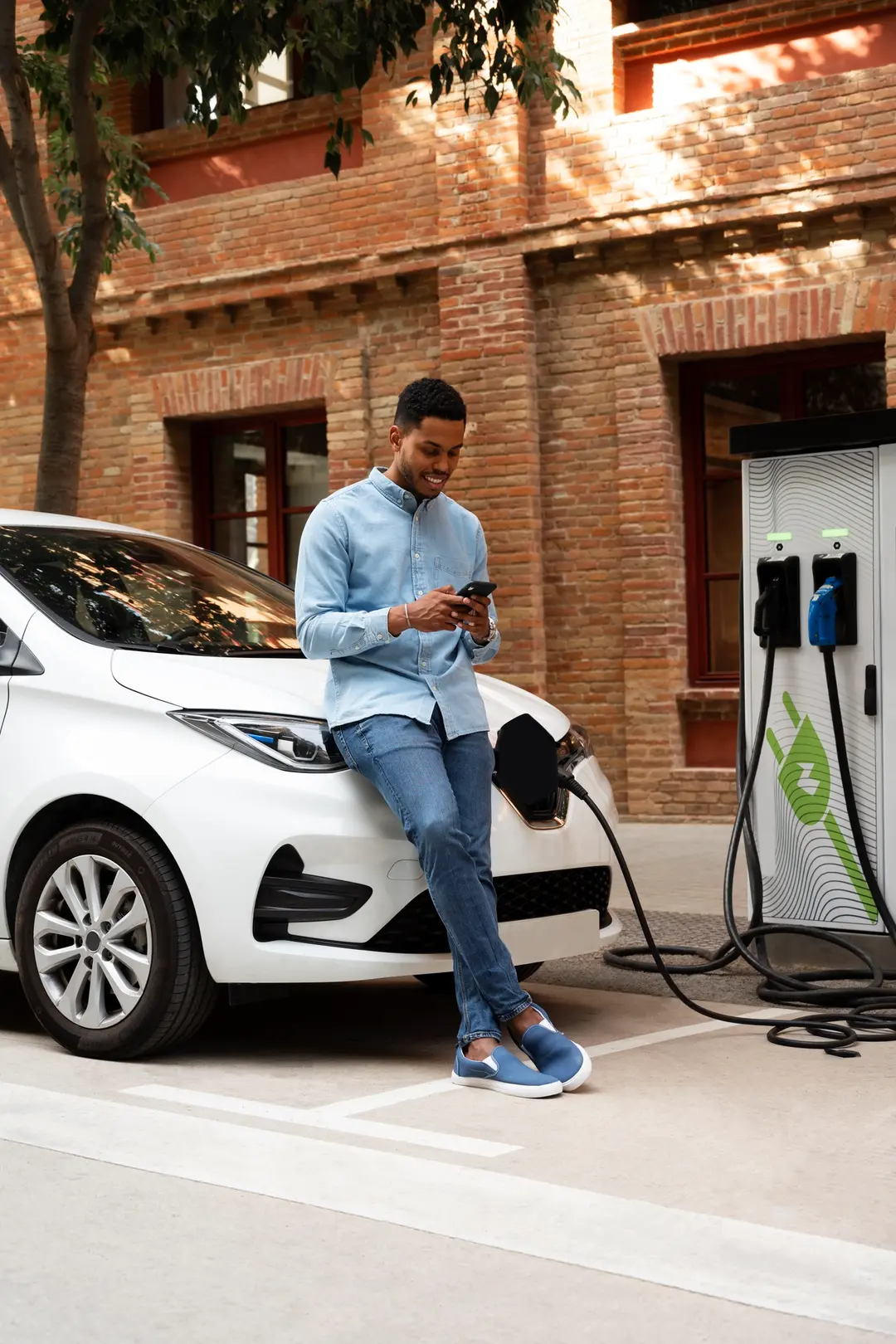
Unlike traditional vehicles that can be refueled at filling stations, electric vehicles require a different approach to energy access.
Recognizing this challenge, Vantage EV goes beyond vehicle delivery by providing customers with personalized charging solutions.
Depending on their needs, buyers can have dedicated EV charging units installed at their homes or workplaces, allowing them to charge their vehicles conveniently and confidently.
The significance of this service extends beyond convenience.
It removes one of the biggest psychological barriers to electric vehicle adoption.
When charging becomes part of a driver’s daily environment rather than an occasional concern, electric mobility feels less like an experiment and more like a practical lifestyle choice.
This customer-focused approach reflects a broader understanding of what it takes to introduce new technology into an emerging market.
Success is not simply about selling products.
It is about solving problems.
Building Confidence Through Experience
New technologies often face skepticism before they gain widespread acceptance.
Mobile banking faced it.
Mobile money faced it.
Even smartphones once faced questions about practicality and affordability.
Electric vehicles are experiencing a similar journey.
Potential buyers want answers.
How reliable is the vehicle?
What happens when maintenance is required?
How long will the battery last?
Who provides support after purchase?
For many consumers, these questions matter just as much as price or performance.
Vantage EV’s focus on after-sales support, technical expertise, warranty protection, and customer service demonstrates an understanding that trust is one of the most valuable assets in any emerging industry.
The company’s promise extends beyond the initial transaction.
It is about creating confidence throughout the ownership experience.
That confidence may ultimately prove to be one of the most important drivers of EV adoption in Ghana.
The Economics of a New Mobility Era
While environmental sustainability is often at the center of conversations about electric vehicles, economics may prove to be an equally powerful catalyst for change.
Fuel expenses remain a significant cost for households, ride-hailing drivers, logistics operators, and businesses.
Electric vehicles introduce a different equation.
Lower energy costs and reduced maintenance requirements create opportunities for long-term savings that become increasingly attractive as operating costs continue to rise.
For commercial operators managing fleets, these efficiencies can have a meaningful impact on profitability.
For individual drivers, they can offer greater predictability and control over transportation expenses.
The value proposition is not simply about driving differently.
It is about spending differently.
And in a world where efficiency matters more than ever, that distinction carries weight.
Sustainability That Works in Practice
Sustainability is often discussed in broad global terms.
Carbon emissions.
Climate commitments.
Environmental targets.
Yet consumers rarely adopt new technologies because of abstract goals alone.
They adopt them because those technologies improve their lives.
The most effective sustainability solutions are the ones that deliver practical benefits alongside environmental impact.
This appears to be the philosophy guiding Vantage EV’s approach.
The company’s focus on clean, efficient, and practical mobility solutions reflects an understanding that sustainability must work in everyday life if it is to achieve meaningful scale.
By combining environmental responsibility with convenience, reliability, and customer support, Vantage EV is helping bridge the gap between aspiration and adoption.
More Than an Automotive Business
What makes companies stand out during periods of transformation is not necessarily the products they sell.
It is the problems they solve.
The strongest businesses recognize opportunities before they become obvious and invest in building the foundations required for future growth.
From personalized charging solutions and after-sales support to customer education and mobility innovation, Vantage EV appears to be positioning itself as more than a vehicle provider.
It is helping create the conditions necessary for electric mobility to thrive.
That distinction matters.
Because the future of transportation will not be shaped by vehicles alone.
It will be shaped by the ecosystems that support them.
The Road Ahead
Ghana’s transportation future is still being written.
New technologies will emerge.
Consumer expectations will evolve.
Infrastructure will continue to develop.
The companies that leave a lasting impact will be those willing to think beyond immediate opportunities and invest in long-term solutions.
Vantage EV’s vision suggests an understanding of that reality.
Its story is not simply about electric vehicles.

It is about helping prepare Ghana for a future where mobility is cleaner, smarter, more efficient, and more connected than ever before.
In that sense, the company’s work goes beyond transportation.
It is helping build the infrastructure for what comes next.
About Behind The Brand Global
Behind every successful brand is a vision, a strategy, and a story worth telling.
Behind The Brand Global explores the people, ideas, and innovations driving Africa’s most influential companies. Through compelling interviews, documentary storytelling, and in-depth business features, the platform highlights organizations that are shaping industries, transforming communities, and redefining the future.
Because great brands deserve more than visibility.
They deserve to have their stories understood.