
Ghana as a Brand: How Culture, Hospitality, Tourism and Identity Are Shaping Ghana’s Global Image
Exploring Why Ghana Is Becoming One of Africa’s Most Recognizable Countries
By Raymond Awiagah | Behind The Brand Global
At Kotoka International Airport, the first thing many visitors notice about Ghana is not the roads, buildings, or even the weather.
It is the atmosphere.
The greetings from strangers.
The calm conversations.
The sense of warmth that often makes visitors feel welcome almost immediately after arriving.
Long before tourists visit Cape Coast Castle, eat Ghanaian food, experience nightlife in Accra, or attend cultural festivals, many have already formed an impression about the country.
And increasingly, that impression has become part of Ghana’s global identity.
Today, countries are no longer competing only through politics, trade, or economic growth. They are also competing through perception.
Just like companies build brands, countries are now building identities through culture, tourism, storytelling, hospitality, and emotional connection.
Across Africa, Ghana is gradually becoming one of the continent’s strongest national brands.
But what exactly is making Ghana stand out globally?
The answer goes beyond tourism campaigns or social media trends.
It lies in experience.
Understanding Nation Branding
Nation branding is the way a country is perceived by the outside world.
That perception is shaped by:
- tourists
- investors
- international media
- business communities
- diaspora populations
- and even everyday visitors
Countries, just like companies, are judged based on:
- reputation
- consistency
- identity
- trust
- emotional connection
- and global influence
And in Ghana’s case, one of its strongest advantages has become the experience people associate with the country.
Ghanaian Hospitality Has Become Part of the Country’s Identity
Across Africa and beyond, Ghana has built a reputation for friendliness and hospitality.
For many visitors, this becomes one of the most memorable parts of their stay.
Whether in hotels, restaurants, markets, business meetings, or ordinary social interactions, many foreigners often describe Ghana as welcoming and easy to navigate compared to several other destinations.
That human experience has quietly become one of Ghana’s strongest soft power assets.
Over the years, this reputation has helped attract:
- tourists
- business travelers
- investors
- creatives
- international collaborations
- and diaspora communities reconnecting with Africa
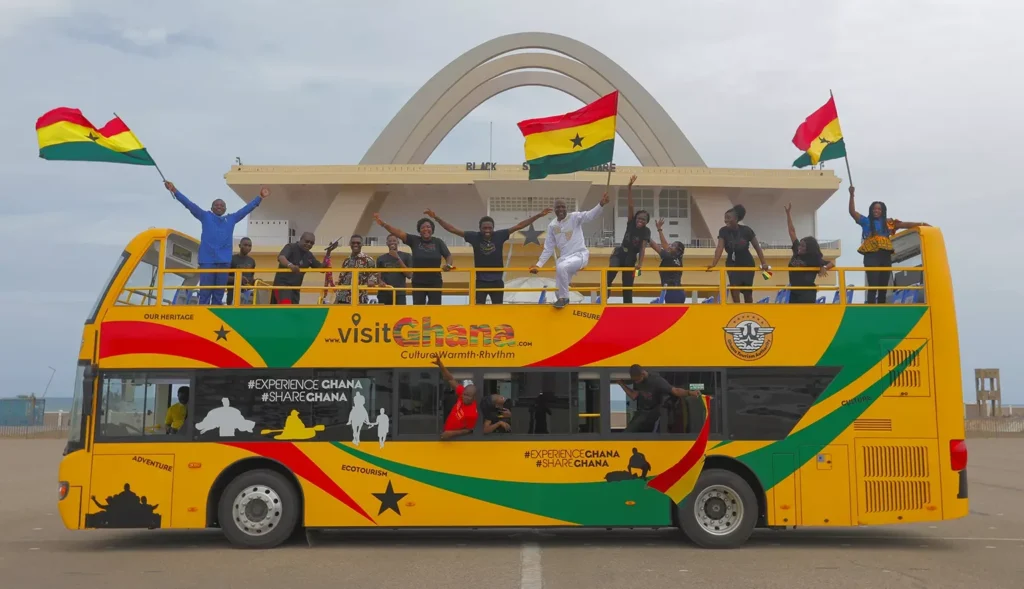
The phrase “The Black Star of Africa” is no longer only political symbolism.
Today, it also reflects Ghana’s growing cultural visibility and emotional appeal.
Tourism Is Strengthening Ghana’s Global Visibility
Over the last decade, Ghana’s tourism sector has significantly expanded the country’s international image.
Campaigns and initiatives such as:
- Year of Return
- Beyond the Return
- heritage tourism programs
- Pan-African festivals
- diaspora engagement projects
have helped position Ghana as one of Africa’s most talked-about destinations.
Many international visitors now see Ghana as:
- culturally rich
- historically important
- emotionally connected to African identity
- politically stable
- and accessible for travel
For many people in the African diaspora, Ghana has increasingly become more than a tourist destination.

It has become a place of reconnection.
This emotional connection has given the country a unique position within global African tourism.
Culture Has Become One of Ghana’s Strongest Brand Assets
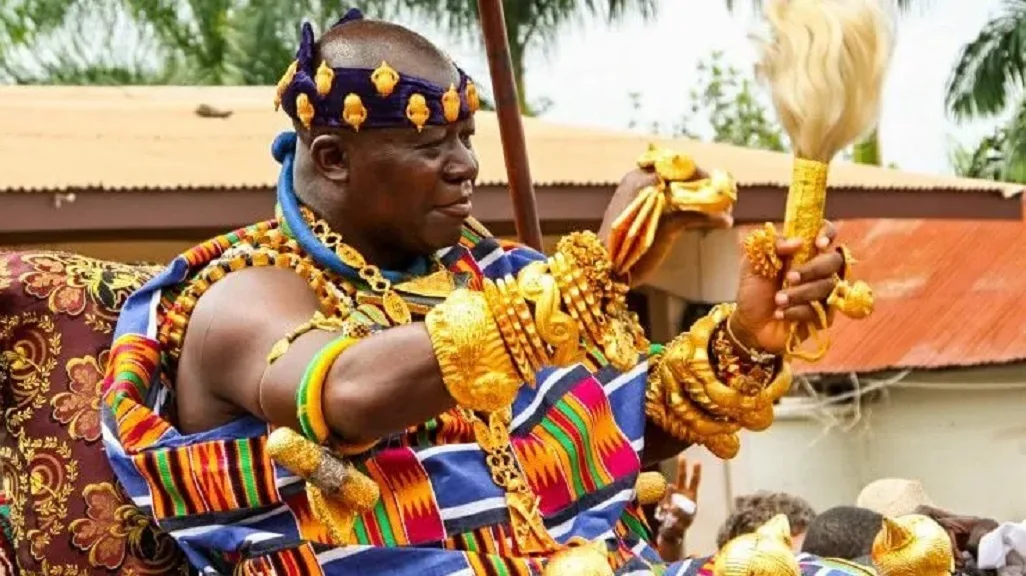
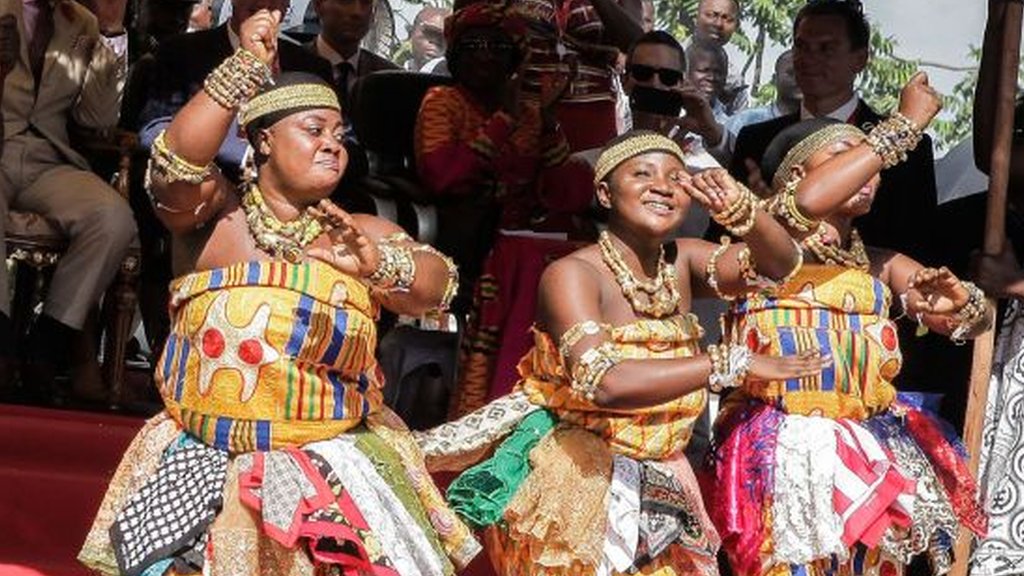
One of Ghana’s biggest strengths is its cultural identity.
From:
- Kente
- traditional festivals
- Ghanaian music
- food
- dance
- art
- language
- and fashion
the country has built a recognizable image that continues to travel globally.
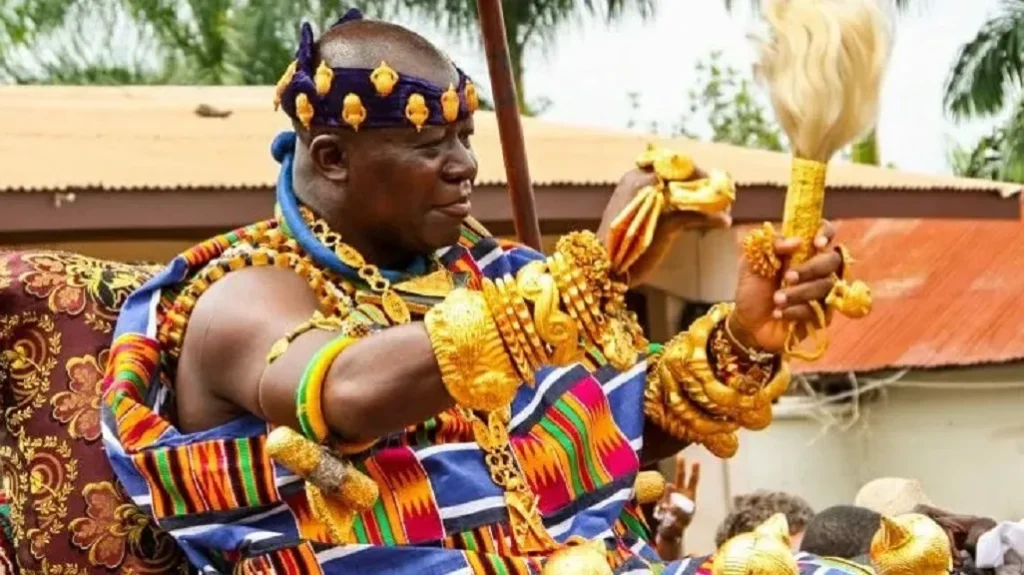
Kente cloth, in particular, has become internationally recognized as a symbol of African pride and heritage.
At the same time, Ghanaian music and entertainment continue gaining international attention through Afrobeats, highlife, digital creators, and social media culture.
In today’s digital world, culture has become one of the strongest forms of influence.

And Ghana’s cultural identity continues to stand out because it feels authentic rather than manufactured.
How Countries Compete Through Brand Identity
Today, some of the world’s most influential countries are also some of the world’s strongest brands.
- Dubai built a reputation around luxury and ambition
- Japan became associated with innovation and discipline
- France built global influence through culture and lifestyle
- South Korea expanded its image through entertainment and technology
- Rwanda positioned itself around cleanliness, order, and efficiency
Across Africa, Ghana is gradually shaping its image around:
- hospitality
- culture
- Pan-African identity
- democracy
- tourism
- and emotional accessibility
This gives the country a different type of influence.
Not influence built purely on political power or natural resources, but influence built on experience and identity.
Political Stability Also Shapes Ghana’s Reputation
Beyond tourism and culture, Ghana’s reputation for relative political stability has also contributed to its global image.
For investors and international businesses, perception matters.
Countries viewed as stable and welcoming are often more attractive for:
- conferences
- partnerships
- investments
- entrepreneurship
- tourism
- and international expansion
Over time, Accra has increasingly become a hub for:
- diplomatic events
- startup communities
- business networking
- international conferences
- and creative collaborations
This visibility continues to strengthen Ghana’s position within Africa’s growing global story.
Social Media and Digital Storytelling Are Expanding Ghana’s Influence
Today, national image is no longer shaped only by television or newspapers.
Social media platforms, YouTube creators, travel vloggers, influencers, and digital storytelling now play a major role in how countries are seen globally.
Ghana has benefited strongly from this shift.
Travel creators, diaspora influencers, lifestyle bloggers, food content creators, and tourism pages continue exposing millions of people worldwide to Ghanaian experiences online.
Increasingly, people around the world are discovering Ghana digitally before ever visiting physically.
And in modern branding, perception often starts online.
Ghana Still Faces Challenges
Despite its growing international recognition, Ghana still faces important challenges that affect its brand image.
These include:
- sanitation concerns
- traffic congestion
- infrastructure gaps
- inconsistent customer service
- uneven tourism development
- and urban planning challenges
Because ultimately, national branding is not built only through campaigns or slogans.
It is built through everyday experiences.
Every airport interaction.
Every hotel stay.
Every customer service encounter.
Every street environment.
All of these shape how people remember a country.
Ghana’s Opportunity as an African Brand
Globally, countries with strong identities often become influential beyond their size.
And Ghana increasingly has the opportunity to position itself as:
- a tourism hub
- a cultural capital
- a creative economy leader
- a hospitality destination
- and a gateway to Africa
Its greatest advantage may not only be its economy or political stability.
It may be the emotional feeling people associate with the country.
Because strong brands are remembered not only for what they offer.
But for how they make people feel.
Final Reflections
Ghana is gradually becoming more than just a country competing for attention.
It is becoming a recognizable African brand shaped by culture, hospitality, tourism, identity, and human experience.
From the warmth of its people and the global influence of its culture to its growing tourism visibility and digital presence, Ghana continues to build a reputation that extends far beyond its borders.
Because in today’s world, countries are remembered not only for economic strength or political influence.
They are remembered for experience.
For emotion.
For identity.
And increasingly, Ghana is becoming a country people do not simply visit,
but a country they feel connected to.
That may ultimately become its strongest brand advantage of all.