
How Electroland Ghana Is Building Ghana’s Electronics Distribution Ecosystems
By Raymond Awiagah
In modern retail, products are no longer the real competitive advantage.
Access is. And distribution is.
And increasingly, service as well.
Because the companies that win in today’s consumer economy are not just those that sell electronics but rather it is those that make sure people can get them, use them, and trust them long after purchase.
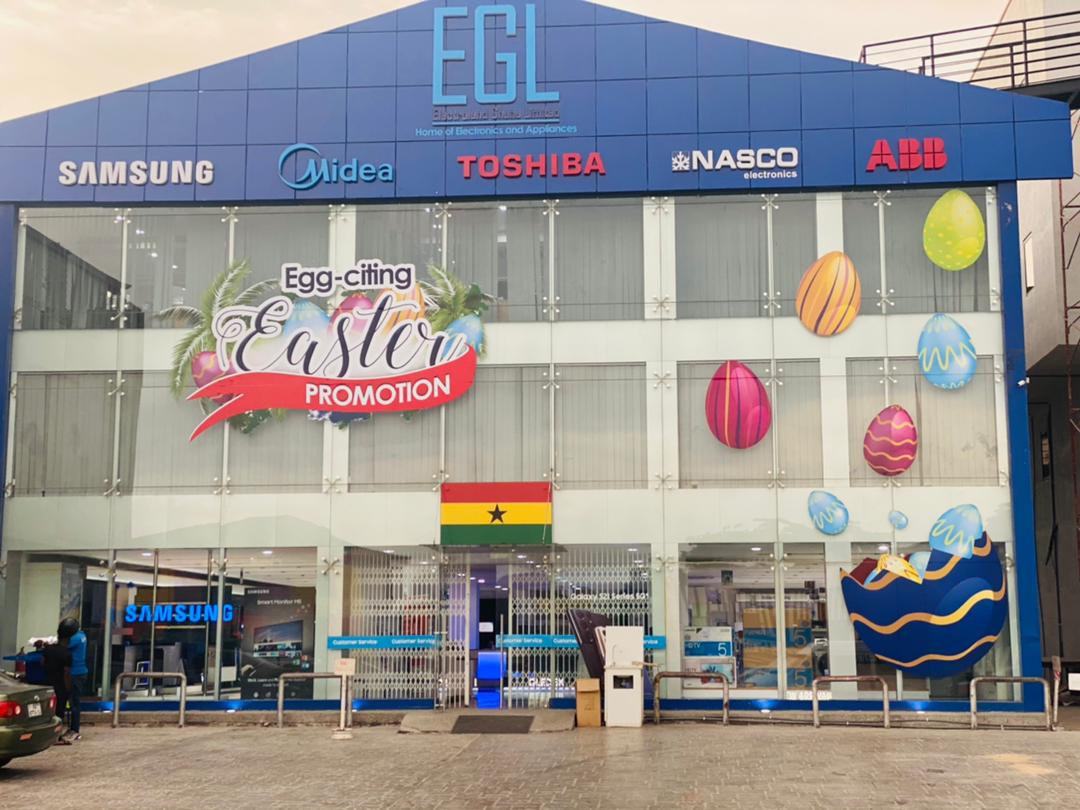
That shift is where Electroland Ghana Limited, distributors of Samsung, Nasco and Media products has steadily built its presence in Ghana’s electronics and home appliances market.
What began in 2006 as a single office operation has evolved into a nationwide distribution and retail system that connects global technology brands to households across Ghana.
But the real story is not expansion.
It is infrastructure thinking.
From Retail Business to Distribution System
Electroland Ghana did not grow simply by opening more showrooms.
It grew by building a system around availability.
Today, the company operates:
- over 10 offices nationwide
- more than 20 premium showrooms across Ghana
- multiple warehousing and logistics centres
- structured after-sales service infrastructure
- a nationwide workforce supporting operations and delivery
This structure shifts the company beyond traditional retail.
It becomes a full-cycle consumer ecosystem, from import and storage, to showroom experience, delivery, and long-term servicing.
In a market where product availability often fluctuates, consistency becomes a form of trust.
And trust, in consumer electronics, is currency.
The Real Competitive Edge of Electroland Ghana Limited
One of the most overlooked aspects of Ghana’s electronics market is geography.
Demand is national, but access is often concentrated in urban centres.
Electroland Ghana’s strategy directly addresses that imbalance.
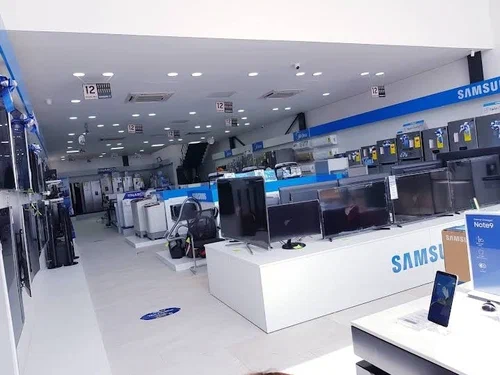
By expanding showrooms and distribution points beyond Accra, the company has built a retail footprint that ensures electronics are not a city privilege, but a national experience.
This is where retail becomes infrastructure.
Not just selling products but rather reducing distance between demand and access.
After-Sales Service: Where Most Brands Fail
In consumer electronics, the purchase is often the easiest part of the relationship.
What comes after determines everything.
- Repairs.
- Warranty support.
- Maintenance.
- Technical reliability.
This is where many retail systems break down.
Electroland Ghana has invested in structured after-sales service centres designed to close that gap. This has helped in ensuring customers are not left alone after purchase.
This includes:
- dedicated technical teams
- repair and maintenance support
- logistics coordination for servicing
- customer support infrastructure
In practice, this turns a one-time sale into a long-term relationship.
And in modern retail, that distinction defines brand survival.
Why Logistics Is Now Brand Strategy
Behind every showroom is a system most customers never see.
- Warehousing.
- Inventory flow.
- Distribution scheduling.
- Supply chain coordination.
Electroland Ghana’s model is built on this invisible layer.
By strengthening its logistics and warehousing capacity, the company ensures that product availability is not accidental but rather it is engineered.
And in consumer markets, availability shapes perception faster than advertising ever will.
A brand people can consistently find becomes a brand people begin to trust.
Beyond Business: The Rise of Corporate Responsibility
Modern retail brands are increasingly judged on more than commercial performance.
They are judged on participation in society.
Electroland Ghana has expanded into several social impact areas including:
- environmental sustainability initiatives such as tree planting
- community health screening programmes
- support for healthcare-related social initiatives
- employee and public wellbeing campaigns
These initiatives reflect a broader shift in corporate identity, where retail companies are expected to contribute to the environments they operate in, not just extract from them.
The Bigger Picture: Ghana’s Retail Evolution
Ghana’s consumer economy is changing.
Demand for electronics and home appliances continues to grow alongside urbanisation, digital adoption, and rising middle-class consumption patterns.
But the real transformation is happening behind the scenes. That includes “in how products move, how services are delivered, and how companies build trust.”
In that space, Electroland Ghana represents a shift from fragmented retail to structured distribution thinking.
A model built on three pillars:
- access
- reliability
- service continuity
Or more simply:
What is available, where it is available, and what happens after it is sold.
Conclusion: Building Systems That Outlast Sales
Electroland Ghana’s story is not simply about retail expansion.
It is about building a functioning distribution ecosystem that connects global technology to everyday life across Ghana.
And in today’s economy, that is the real advantage.
Because brands are no longer judged only by what they sell.
They are judged by how reliably they make life easier for the people who depend on them.
Or put differently:
Products may create demand but systems create trust.
And trust is what builds enduring brands.