
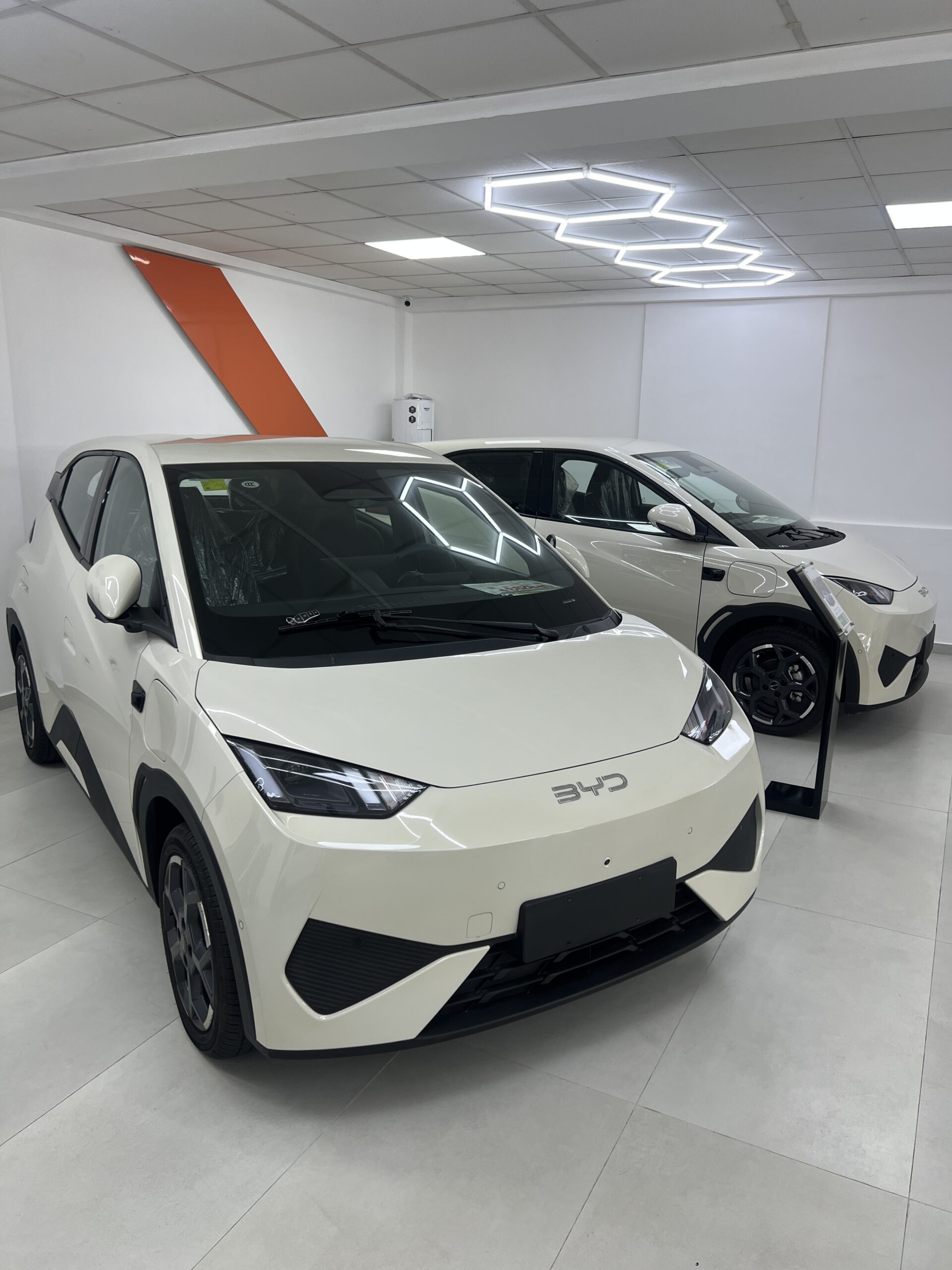
Where to Buy Electric Cars in Ghana and What You Must Know
By Raymond Awiagah
Electric vehicles are gradually moving from concept to reality in Ghana.
With rising fuel prices, growing environmental awareness, and global shifts in automotive technology, more people are beginning to explore electric cars as a serious alternative.
But one question keeps coming up:
Where do you actually buy an electric car in Ghana and what should you look out for before making the decision?
The truth is, Ghana’s electric vehicle market is still developing. The number of dedicated EV providers is limited, and the ecosystem around charging, servicing, and long-term support is still evolving.
That means the decision is no longer just about buying a car.
It is about choosing the right mobility partner.
The Reality of Electric Cars in Ghana Today
Electric vehicles are entering the Ghanaian market at a steady pace, but the ecosystem is still in its early stages.
Some key realities include:
- Most electric cars are imported
- EV-specific dealerships are still limited
- After-sales support varies significantly
- Charging infrastructure is still developing
Because of this, EV ownership in Ghana depends heavily on support systems beyond the vehicle itself.
A buyer is not just choosing a car.
They are choosing a full mobility experience.
Where to Buy Electric Cars in Ghana
Although the market is still emerging, electric vehicles in Ghana are generally available through three main channels.
- Dedicated Electric Mobility Companies (Most Reliable Option)
This is currently the most structured and EV-focused option available in Ghana.
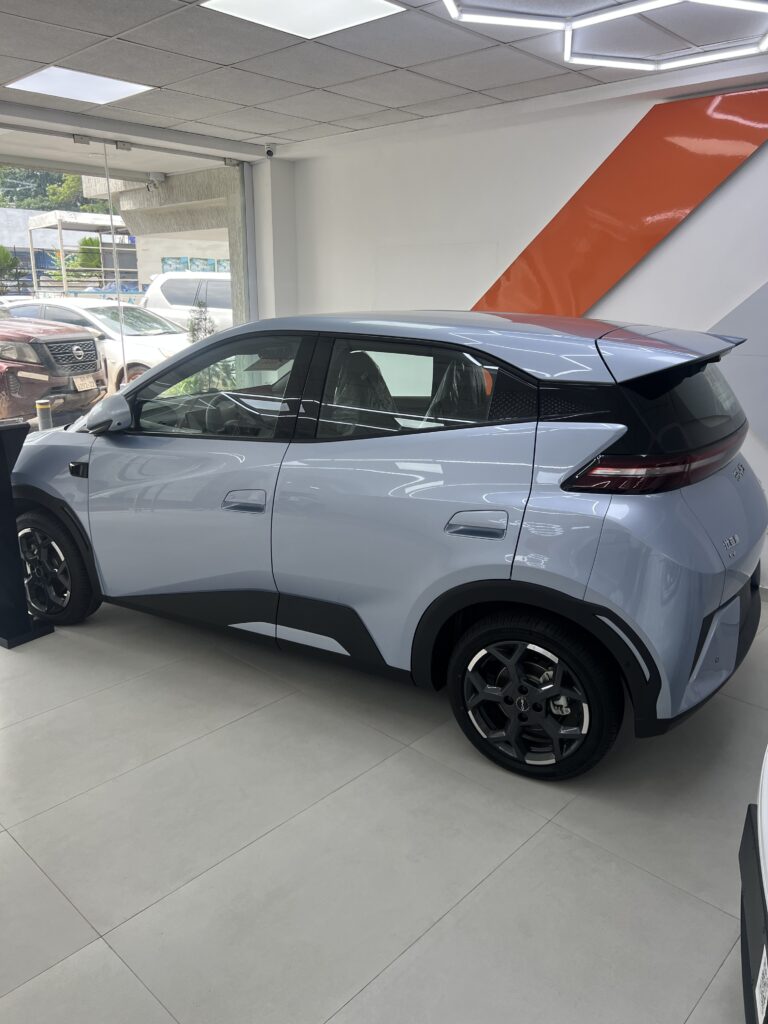
These companies specialize in electric mobility rather than general car sales, and typically provide a complete ecosystem around ownership.
A strong example in this category is Vantage EV, a mobility company operating in Ghana with a focus on practical electric mobility solutions.
Companies like this are not only selling vehicles but also building the infrastructure around them.
Their services often include:
- Electric vehicle sales
- After-sales maintenance and diagnostics
- Battery support and warranty coverage
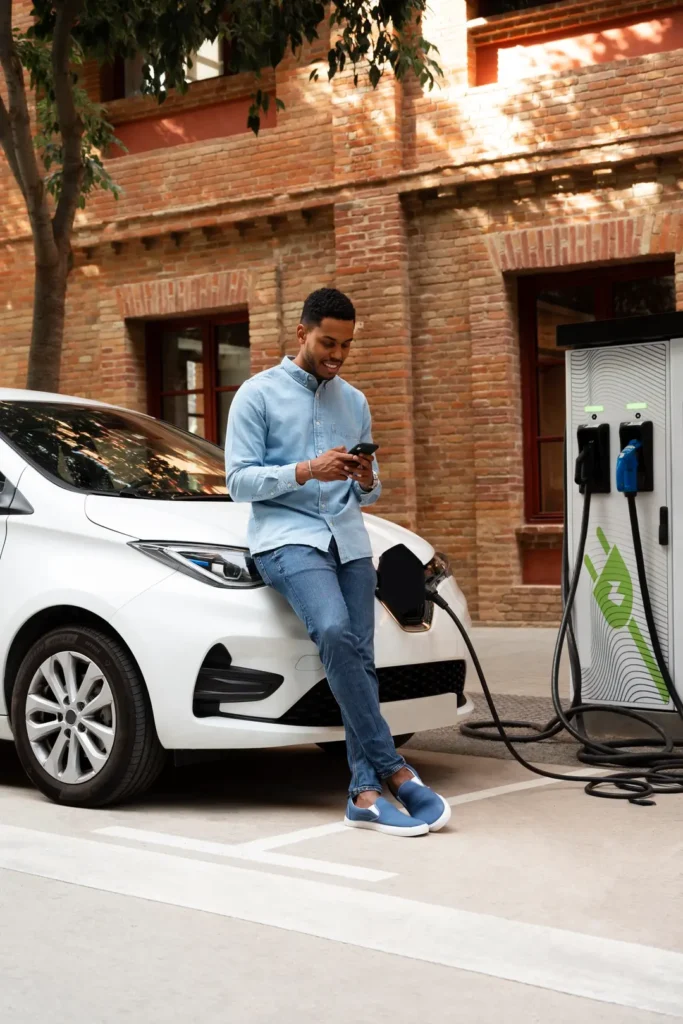
- Installation of home or workplace charging units
This charging support is more important in Ghana, where public charging infrastructure is still developing. By enabling customers to install dedicated charging units at home or work, companies like Vantage EV make electric vehicle ownership more practical and accessible.
This approach shifts EV ownership from uncertainty to convenience.
Instead of asking “Where will I charge?”, customers begin to see charging as part of their daily routine.
- Traditional Car Dealers (Imported EVs)
Some conventional vehicle dealers also import electric cars into Ghana.
These are usually:
- Used or pre-owned EVs from international markets
- Imported on request or available in limited stock
- Sold without specialized EV infrastructure support
While this option may sometimes offer lower upfront pricing, it often comes with limitations in:
- Battery warranty coverage
- Technical EV expertise
- Long-term servicing support
For electric vehicles, these factors are critical to ownership experience.
- Online Listings and Independent Importers
Electric vehicles can also be found through online marketplaces or independent importers.
However, this is the most risky channel due to:
- Lack of verified battery condition
- No guaranteed warranty
- Limited or no after-sales support
- Unclear charging compatibility
With EVs, uncertainty in support systems can quickly outweigh any upfront savings.
What You Must Consider Before Buying an Electric Car in Ghana
Buying an electric vehicle is different from buying a conventional car.
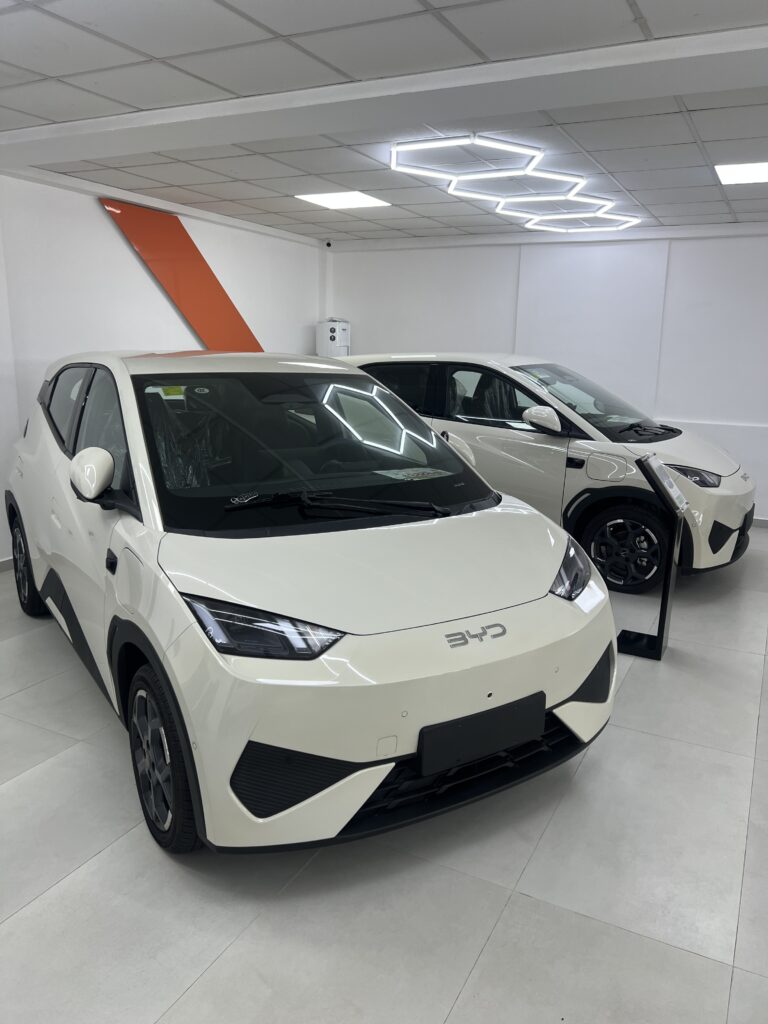
Here are the key factors every buyer should evaluate:
- Battery Condition and Warranty
The battery is the most important and expensive part of an EV.
Always confirm:
- Battery health status
- Warranty coverage
- Expected lifespan
Without battery assurance, EV ownership becomes unpredictable.
- Charging Accessibility
Charging is one of the most important considerations in Ghana’s EV space.
Buyers should ask:
- Can I charge at home?
- Is workplace charging possible?
- Are there public charging options nearby?
Some mobility providers now offer personalized charging installation services, allowing customers to charge their vehicles conveniently at home or at the office.
This is becoming a key part of EV adoption in Ghana.
- After-Sales Support
Electric vehicles require specialized technical support.
A reliable provider should offer:
- EV-trained technicians
- Diagnostic systems
- Spare parts availability
- Warranty servicing
Without this, long-term ownership becomes difficult.
- Driving Range and Usage Needs
Different EVs are designed for different usage patterns.
Before buying, consider:
- Daily commute distance
- Long-distance travel frequency
- Charging access during trips
Matching the vehicle to your lifestyle is essential.
- Total Cost of Ownership
While EVs often have a higher upfront cost, they may offer long-term savings through:
- Lower fuel expenses
- Reduced maintenance costs
- More efficient energy consumption
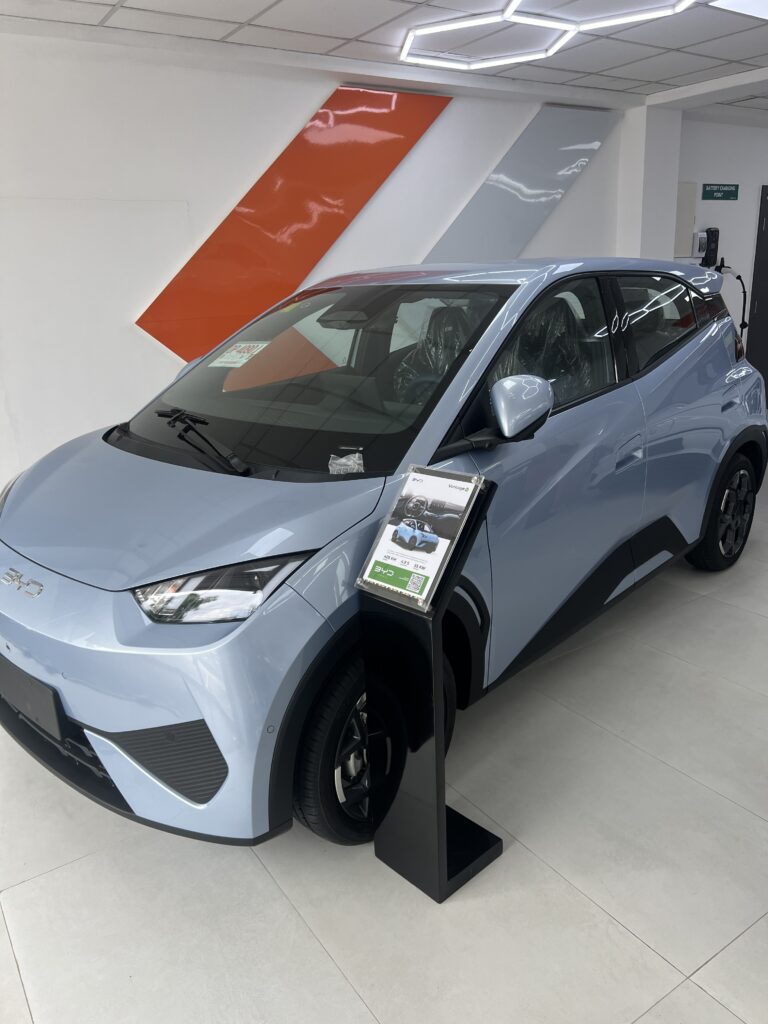
For high-mileage users, these savings can be significant over time.
Charging Infrastructure in Ghana: The Real Game Changer
Charging remains the biggest factor shaping EV adoption in Ghana.
Currently:
- Public charging infrastructure is limited
- Home charging is the most practical solution
- Workplace charging is emerging for corporate fleets
This is where mobility companies like Vantage EV are playing a critical role by helping customers install private charging units.
This removes one of the biggest barriers to EV adoption:
uncertainty around where and how to charge.
Once charging becomes part of a driver’s home or workplace environment, electric mobility becomes significantly more practical.
Why the EV Decision Is Bigger Than a Car Purchase
Electric vehicles are not just about transportation.
They represent a shift in how energy, mobility, and infrastructure intersect.
In Ghana, the transition is still in its early stages but the direction is clear.
The future of mobility will depend on more than just vehicles.
It will depend on ecosystems built around:
- Charging infrastructure
- Technical support
- Customer education
- Long-term reliability
That is why choosing where to buy an electric car is really about choosing who to trust for the long journey ahead.
Final Thought: The Real Question Buyers Should Ask
Instead of asking:
Where can I buy an electric car in Ghana?
A better question is:
Who can support me after I buy it?
Because in emerging markets like Ghana, the success of electric mobility will not depend only on the vehicles themselves but on the companies building the systems that keep them running.
And that is where the real value lies.
About This Feature
This article is part of an ongoing exploration of mobility, innovation, and infrastructure in Ghana and across Africa. It highlights the evolving electric vehicle ecosystem and the companies contributing to its development