

How Delta Air Lines Strengthen Ghana’s Connection to the United States Over the Last 20 Years
By Raymond Awiagah
For millions of travelers, international air travel is often seen simply as movement between destinations.
But over time, certain routes become more than transportation links.
They become economic bridges.
Cultural connectors.
Diaspora lifelines.
And symbols of long-term global relationships.
Over the last two decades, one of those connections has been the continuous air link between Ghana and the United States operated by Delta Air Lines.
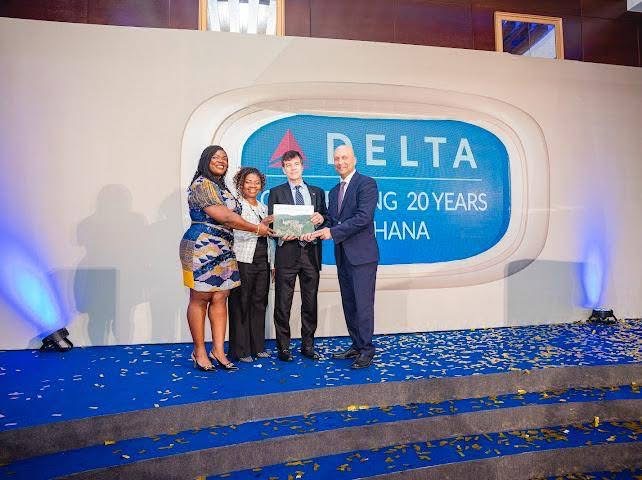
This year, the airline marked 20 years of uninterrupted operations in Ghana since launching its historic nonstop route between Accra and New York in 2006.

It reflects the growing relationship between Ghana and the global world around it.
According to Delta Air Lines, more than 2 million passengers have traveled between Ghana and the United States through Delta’s operations over the last twenty years, while travelers departing from Accra gained access to over 215 onward global destinations through the airline’s network.
In many ways, Delta Air Lines long-standing presence in Ghana mirrors the broader evolution of travel, business, diaspora movement, and international connectivity in modern Ghanaian society.
Why Direct International Connectivity Matters
International air routes play a much larger role in national development than many people realize.
Beyond tourism, direct connectivity influences:
- business mobility
- trade relationships
- education opportunities
- diaspora engagement
- international investment
- global visibility
For countries experiencing economic and international growth, strong aviation connections often become part of larger development ecosystems.
In Ghana’s case, direct flights between Accra and major U.S. cities helped strengthen movement between two countries linked through family ties, business relationships, education, tourism, and diaspora communities.
For many Ghanaian travelers over the years, direct access to destinations like New York and Atlanta reduced travel complexity and expanded global accessibility.

That convenience matters.
Because in today’s global economy, accessibility increasingly shapes how countries participate in international commerce and mobility.
The Growth of Ghana’s Diaspora Connection
One of the most important dimensions of the Ghana–U.S. air connection is the diaspora relationship.
Large Ghanaian communities across the United States continue to maintain strong personal, economic, and cultural ties with home.
For many families, international routes are not simply commercial services.
They represent:
- reunions
- family visits
- educational journeys
- business opportunities
- emotional connection to home
Over the years, air travel has become deeply connected to how diaspora communities maintain relationships with Ghana.
As migration and international mobility increased globally, airlines serving these routes became part of a much broader human story centered around movement and connection.
How Aviation Supports Tourism and Business Growth
Air connectivity also plays a significant role in tourism and economic development.
International travelers often evaluate destinations partly based on accessibility and route convenience.
As Ghana’s tourism industry expanded through:
- cultural tourism
- business travel
- conferences
- diaspora tourism
- leisure hospitality
the importance of stable international airline routes also increased.
Hotels, restaurants, tour operators, conference organizers, and local businesses all benefit from stronger international travel networks.
This is one reason aviation remains closely connected to broader economic ecosystems.
When air routes grow, movement grows.
And when movement grows, industries connected to hospitality, tourism, and commerce often grow alongside it.
Ghana’s Growing Relevance in African Aviation
Delta Air Lines continued investment in Ghana over two decades also reflects the country’s growing relevance within African aviation.
Over the years, Ghana has increasingly positioned itself as:
- a stable West African destination
- a growing business hub
- an important diaspora gateway
- a tourism and conference destination
This growing relevance has contributed to increased international airline interest in the Ghanaian market.
The airline’s recent deployment of the Airbus A330-900neo on the Accra–New York route and the reintroduction of the Accra–Atlanta service further reflect the importance of the route within Delta’s broader Africa network.
These developments are also part of larger trends shaping global aviation:
- fuel efficiency
- long-haul route optimization
- passenger demand growth
- international network expansion
As African markets continue evolving, major international carriers increasingly view long-term route consistency as a strategic investment rather than short-term expansion.
Beyond Aviation: Corporate Presence and Community Engagement
Over the years, Delta’ Air Lines presence in Ghana has extended beyond commercial aviation.
The airline has also participated in community and health-related initiatives, particularly through its partnership activities connected to breast cancer awareness campaigns in Ghana.
According to Delta Air Line, more than 150,000 people have been reached through breast cancer awareness initiatives conducted alongside Breast Care International, while over 20,000 free clinical breast cancer screenings have been facilitated across the country.
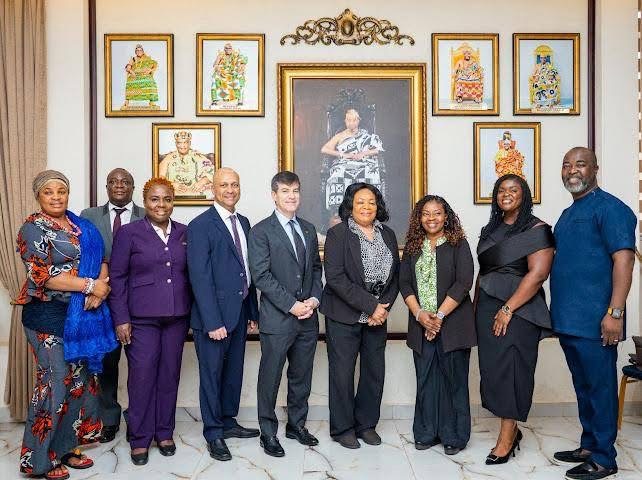
As part of its 20th anniversary activities, the airline also commissioned a clean water borehole project for the James Town community in Accra following a courtesy call on the Ga Mantse.
These initiatives reflect how some global companies increasingly position themselves not only as service providers, but also as long-term institutional participants within the communities where they operate.
Delta Air Lines: The Evolution of Air Travel Between Ghana and the United States
Air travel itself has changed dramatically over the past two decades.
In 2006, international travel experiences were very different from today’s highly digital aviation environment.
Since then, the industry has evolved through:
- online booking systems
- digital boarding technology
- modern aircraft innovation
- changing passenger expectations
- expanded international mobility
At the same time, global travel demand between Africa and the United States has continued to grow, particularly through business, education, tourism, and diaspora movement.
For many travelers, direct long-haul routes increasingly represent not only convenience, but also access to wider global opportunities.
Why Long-Term Route Consistency Matters
In aviation, route consistency matters.
Maintaining uninterrupted operations within a market for two decades signals:
- long-term commitment
- operational confidence
- sustained passenger demand
- strategic market importance
This becomes particularly significant within international aviation, where route economics and operational pressures can often lead airlines to reduce or discontinue services in less stable markets.
Long-term continuity therefore reflects both business confidence and market relevance.
The Bigger Story Behind the 20-Year Milestone
Ultimately, Delta’ Air Lines twenty-year presence in Ghana represents more than an airline anniversary.
It reflects how global connectivity increasingly shapes modern economies, relationships, and national visibility.
Over the last two decades, Ghana itself has evolved significantly within:
- tourism
- international business
- diaspora engagement
- global mobility
- digital commerce
- hospitality development
International air connectivity has quietly remained part of that transformation.
Because long before globalization becomes visible in statistics or policy discussions, it is often experienced first through movement:
people traveling,
families reconnecting,
businesses expanding,
students studying abroad,
and countries becoming more connected to the wider world.
Conclusion
Twenty years after launching nonstop operations between Accra and New York, Delta Air Lines continued presence in Ghana reflects a broader story about connectivity, movement, and international relationships.
What began as an aviation route has gradually become part of a much larger ecosystem linking Ghana to business opportunities, tourism, diaspora communities, and global accessibility.
As international mobility continues shaping the future of economies and societies, long-term air connectivity will remain an important part of how countries like Ghana engage with the world beyond their borders.